
Mail, Text and Phone Donations
Your donations bring help and hope to people every day.
-
Phone: +88-02-41022976-79
-
Email: ywca@ywcabd.org
Your donations bring help and hope to people every day.
History of Dhaka YWCA
It was in 1960 that the East Pakistan Christian Council and Bible Society contacted the National Young Women’s Christian Association in West Pakistan about the possibility of starting a branch in Dhaka. In 1961 under the leadership of Ms. Beard, wife of the General Manager of Grindlays Bank at that time, who had experience of the YWCA in other places, regular monthly meetings of interested women began to be held in St. Thomes Church. At the end of 1961 this group was formally constituted and the first constitution was adopted in 1962, Thus the Dhaka Young Women’s Christian Association was established as a branch of the National YWCA of Pakistan. The following formed the nucleus of The Association:
The first constitution was drawn up in 1962 and the National YWCA was affiliated. The board at that time consisted of the following members:
From 1962 to 1969 there were no major programmes or projects started by the YWCA. Regular monthly meetings were held during these years in which attendance was very small. There were 22 members in 1961, 27 in 1966 and as few as 12 in 1968 and 22 in 1969.
As the YWCA did not have any office either rented or owned, the monthly meetings were held at different places. From 1961 to 1962 meetings were held at St. Thomas church Hall by kind permission of the Rt. Rev. J.D. Blair, Bishop of Dhaka. From January 1963 to June 1965 meetings were held at British Council Library in Fuller Road and thereafter at the Assemblies of God Church, New Eskaton Road. From 1970 till YWCA acquired its own premises meetings were held on the premises of National Council of Churches.
Apart from the monthly meetings on a few occasions relief, in the form of clothing, was distributed among the people affected by natural disasters. In addition, children’s classes were held from 1966, for a period of two years. Conversational English classes were held for members taken by Ms. Wenger. Annual Christmas parties were held and funds were raised through jumble sales and menabazars. In July 1969, a variety show was held at the British Council Auditorium for the purpose of raising funds.
In 1962 The National Council meeting was held in Lahore and Ms. Bina Biswas, now Ms. Bina Shaw, the first Honorary General Secretary was sent as a delegate from the East Wing. At the national Council Meeting of 1966, held in Karachi, Ms. Shefali Biswas one of the founder members was our delegates and she was elected as a member of the National Board. Ms. Bina Shaw was again our delegate to the National Council held I in Karachi in the year of 1970. The first Annual Business meeting was held on 12th March 1963 and 16 members were present. The Accounts of the YWCA were audited for the first time by Andrew Gomes & Comp. on voluntary basis.
In 1964, Ms. Menzies, a member of the National Executive, came to Dhaka and met YWCA leaders. In August 1965 Ms. Najimuddin a member of Lahore YWCA visited Dhaka and met the President and Treasurer of the YWCA. In October 1969, Ms. Clary Elfving from Sweden and Ms. Jane Suba khan, General Secretary Lahore YWCA visited Dhaka YWCA. In February 1971, Ms. Khanna, the President of the National YWCA, also visited Dhaka YWCA.
In 1967 as steel trunk was brought by the YWCA of Dhaka to keep its files and books and this were the only assets till 1967.
After the inception of the YWCA of Dhaka, YWCA leaders were trying hard to create the interest of members in understanding the purpose of the YWCA and continued trying to increase membership. At the same time, they looked for somebody who could be trained and work as General Secretary of the YWCA. For this purpose, Ms. Namita Baroi and then Ms. Snigdha Baroi followed by Ms. Abira Halder were selected as General Secretary of the Association on a voluntary basis. Ms. Namita Baroi was the General Secretary of the Association from October 1966 to February 1967, Ms. Snigdh Baroi from March 1967 to August 1968 and Ms. Abira Halder from August, 1968 to February 1969. Ms Asrukana Das (Baroi) was then chosen as General Secretary cum Treasurer of the Association in march 1969 at the Annual Business meeting and continued working on voluntary basis till July 1972.
It was in August 1970, the YWCA of Dhaka started a small hostel for young working girls at 354 Dilu Road, a long felt need and dream of the YWCA. Initially the hostel was started with 12 beds but there were only three residents and one room was let out to a family in order to help with the rent. The formal opening of the hostel was held on 5th September, 1970 and Dr. Nilima Ibrahim was the chief Guest. The hostel was started with no funds but from the beginning of 1971, the National YWCA sanctioned Tk. 1000/- per year of the hostel project. From February 1971 the hostel was moved to 42, green Road, Dhaka, sharing a flat with Ms. R.M. Gooden. This helped the YWCA to lessen the burden of monthly rent. In September, 1972 the building adjacent to the hostel was rented and the number of beds increased to 19.
In September 1973, the YWCA rented a building at 6, Naoratan Colony to accommodate the hostel as well as a proposed craft centre project. When the hostel moved to 211, outer Circular Road in July 1976 and continued there until the hostel is moved to its own premises at 10. Green Square, Green Road in March 1979. From 1970-1974, Ms. Asrukana Baroi the General Secretary was responsible for looking after the hostel in addition to her administration job. From June to September, 1974, Ms. Mukutee was employed as house mother and then from October 1974 to 1986 Ms. Rita Kusum Gomes held this position. From this inception of the hostel to date a total number 350 young working girls have been provided with safe and secure accommodation. For young working girls in Dhaka city the YWCA hostel is “home away from home”
Independence Came to Bangladesh in December 1971 and in 1972 in response to the many needs in the country, the YWCA began to grow and expand its programmes. I March 1972 Ms. Ruud Van Hoogevest, Secretary for refugee and rehabilitation, World YWCA, visited Bangladesh and offered their assistance in response to the devastation that occurred during the Liberation war of 1971. As a result of rehabilitation project for young girls started in June 1972 and continued for a period of three years. The young girls received Aide Nursing and Junior Midwife training at Holy Family Hospital through the help of Ms. Bina Shaw, Superintendent of the Nursing School and President of the YWCA at the time, Ms. C. Bijoli Mondol was the sister tutor appointed by the YWCA to teach the trainees in the school of Nursing in addition to nursing training, the girls of the Rehabilitation project were also taught sewing and other handicraft. Ms. Golapi Halder was the sewing teacher. To provide a hostel for the girls of the rehabilitation project and office accommodation, a house was rented in Mogbazer. Ms. Sumoti Das was appointed as house mother of the hostel, during this three-year period over 80 girls were trained. BERRS helped a lot in initiating and continuing this project and we are especially grateful to Ms. Colleen Dubois of BERRS, a voluntary organization.
To help with the development of the YWCA and its programmes, the World YWCA deputed Ms. Inga Olofson, Ms. Marianne Achilling and Ms. Priscilla Padolina to work at the Dhaka YWCA. Ms. Inga Olofson was with the YWCA from August 1972 to April 1973 as an Advisor. Ms. Marianne Schilling worked at programme consultant from May, 1973 to November 1974. Ms. Priscilla Padolina then came to help us as programme Consultant in February 1975 and worked with us till October, 1977. In addition, Mr. Edmond Johnson was sent by the World YWCA in September, 1975 and helped to set up the craft center in business-like way. He left in October, 1977. The YWCA is grateful to the Consultants for their advice in developing the programmes and the activities of the YWCA.
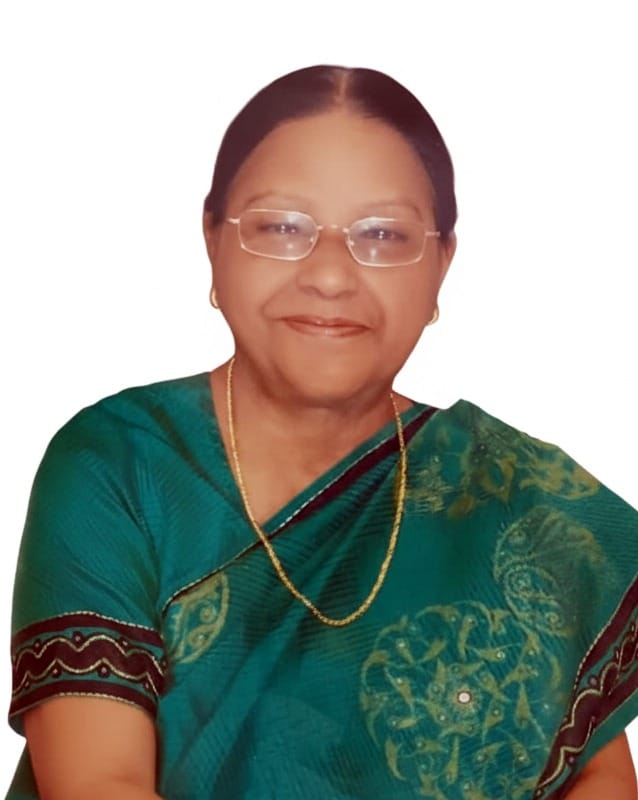
In July 1972, Ms. Asrukana Das was appointed the first full time paid General Secretary of the Association. She continued with Dhaka YWCA till 1980. During this time Ms. Asrukana Das not only took care of the administration of the YWCA but she also fulfilled the responsibility of National General Secretary and helped to form local YWCAs and kept close contact with the world YWCA as well YWCAs around the world. In April 1980, when Ms. Asrukana Das was promoted to the position of National General Secretary, Ms. Usha Raquib was appointed as General Secretary of Dhaka YWCA. Ms. Raquib continued with the YWCA from January to September 1980. In June 1982, Ms. Sabita D’Costa was appointed as General Secretary. Mrs. D Costa continued as the General Secretary until 2015. The outstanding leadership of Mrs Sabita D.Costa lead YWCA of Dhaka t the next level. During her tenure Dhaka YWCA established a new building and shifted the school and graduated the school for primary to Higher Secondary level reaching a student of 4000 per year. The school earned the recognition of the community, and the quality of teaching became phynomenal. Dhak YWCA also initiate various projects like; handicraft, backing, beauty parlour, day care for the children, Sr, Citizen’s home etc.
From 1962 to 2015
Writing of the history of the YWCA of Dhaka is not completed in names of some of the personalities are not mentioned here, Ms. Beard was the pioneer in forming the YWCA group in Dhaka. Ms. Bina Biswas (Now Ms. Bina Shaw) was the first General Secretary and then Ms. Pankajini Biswas, who continued as honorary General Secretary from 1963 to 1966. The dedication and services of both of them throughout the years cannot be ignored. Ms. S.M. LeQuesne is another personality whose untiring efforts, especially with finance, helped the YWCA of Dhaka to get ahead. The other founding members of YWCA were Ms. Bandana Huq and Ms. Shefali Biswas who continued with the YWCA of Dhaka for a long time and held various positions.
Some of the outstanding volunteers with the YWCA included Ms. Rina Das, who joined YWCA in 1970 and has been very actively involved with the YWCA till 2010. She has held various positions in the YWCA during her long involvement. Her Leadership in YWCA has been phenomenal. Dr. (Ms.) Mina Malakar joined YWCA in 1974 and was the President of Dhaka YWCA from 1978 to 1980 and then again in 1982. Ms. Maya Hilton was the President of the YWCA from 1981 to 1983. Ms. Usha Raquib held the position of the General Secretary of the YWCA in 1980 and then became involved with the YWCA as an active volunteer. Other volunteers were Ms. S. Debnath, Ms. Lila Rozario, Ms. Charmaine Roanova, Ms. Joysree Baroi, Ms. Monisha Sangma, Ms. R.M Gooden, Ms. Nandita Chowdhury, Ms. Clara Rozario.
Affiliation by Bangladesh YWCA and Bangladesh YWCA’s role in establishing branches:
Since 1972, Dhaka YWCA has been successfully moving forward in independent Bangladesh by undertaking timely development programs for the welfare of women, youth, and children of this country. Before the formation of the National YWCA, the Dhaka YWCA had to perform the duties of the National YWCA. At that time, the Barisal and Chittagong YWCAs were established under the leadership of the Honorable Asrukuna Das, General Secretary of Dhaka YWCA was responsible for maintaining communication with the World YWCA and other YWCAs. In 1979 Bangladesh YWCA was formed by merging Barisal, Chittagong and Dhaka YWCAs, and this year Dhaka YWCA accepted its affiliation. 1979 Bangladesh YWCA was granted affiliation to the World YWCA at the World Council meeting held in Athens, Greece.
Information on the number of beneficiaries and work area at that time:
This program was first conducted with members of low-income families in the Mirpur area and later in the Bhatara area of Baridhara. After working in the Bhatara area for 16 years and considering the financial hardship of the families of the students of Green Road Free School, in December 2005, the members of the Baridhara Savings & Credit Groups were transferred to an established Savings & Credit Groups and the said activities were started in the Green Road area in 2006. At that time, the program was run through 96 Savings & Credit Groups in Mirpur and Green Road areas with 1,710 members.
The members of the Savings & Credit Groups are mothers of students from Mirpur and Green Road Free Schools and members of low-income families in the area. The members also repay savings and loan installments on a fortnightly basis. The members then had savings of 1,12,48,290 taka and a loan balance of 1,60,72,889 taka. The members took loans and did various income-generating activities, making their families prosperous and paying the loan installments regularly.
Information regarding permanent land purchase and building:
In 1977, with the financial assistance of EZE, YWCA of USA and World YWCA, Dhaka YWCA was able to purchase two side-by-side buildings at 10-11, Green Square, Green Road. The building at 10, Green Square was first acquired in January 1977, and the 2nd floor of 11, Green Square was acquired by the YWCA in January 1978. In January 1979, the YWCA acquired both buildings.
Construction of 2nd Administration Building for Office: Dhaka YWCA took up the construction of a new administration building towards the end of 2002. Therefore, after the completion of this building, the office was shifted to the new building on July 3, 2003. This building was inaugurated by Honorable Ms. Rina Das, President Dhaka YWCA.
Integrated Rural Project-Savar: This rural project was started by Dhaka YWCA in Dharenda village of Savarupazila, 25 kilometers from Dhaka. March 1, 2008 this senior citizen residence was inaugurated. The journey of this residence began with 5 senior citizens. Later, the production center was started to make the products of the craft center. On November 12, 2008, the activities of the Savar center began.
From which year did various projects, microfinance and other programs start:
In which areas are the activities being conducted and who are the population groups or beneficiaries (village, upazila, district, number of different beneficiary population groups): Activities are being conducted in Mirpur, Green Road, Savar, Kaliganj, Kafrul and Nakhalpara areas. Population groups or beneficiaries of health projects, free schools and savings and credit projects.
Special Programs:
Brief information about Income Generating Programs (Guest House, Cottage Industry, Catering and others): Dhaka YWCA income generating programs include craft centers, home crafts, hostels, parlors, day care, short- and long-term courses. Information about these projects has been provided earlier.
Notable achievements –
The following are the members of the Dhaka YWCA Board of Management (2024-2025):
“I have fought the good fight, I have finished the race, I have kept the faith.” (2 Timothy 4:7)
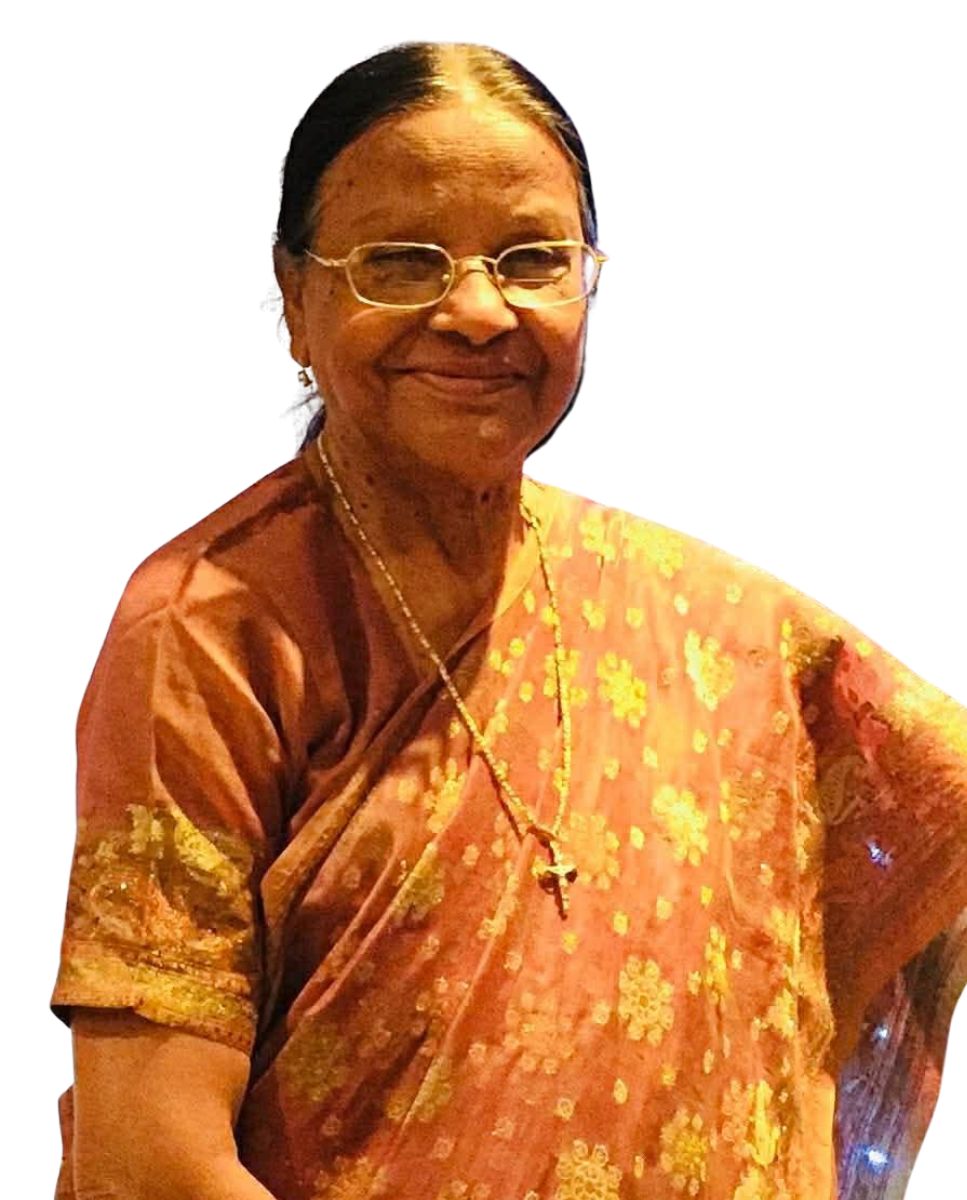
With profound sorrow, deep respect, and heartfelt gratitude, the YWCA of Bangladesh and the YWCA of Dhaka remembers our former General Secretary and Chairperson of the Board of Management of Dhaka YWCA and Member of the National Board of Management Mrs. Sabita D’Costa, who passes away on 16 March 2026.
She was truly remarkable personality – an extraordinary blend of humility, grace, wisdom and deep compassion. From an early age, she demonstrated outstanding academic excellence, leadership and moral character. She was a living embodiment of education and culture. Completing her Masters in Bangla and Sociology from the University of Dhaka she established herself on a firm foundation of knowledge, value and vision.Bottom of Form
Mrs. Sabita D’Costa devoted more than 35 years of her life to Dhaka YWCA serving as General Secretary from 1982 to 2012 and later as Chairperson from 2012 to 2015. She also served the National Board as member from 2012 to 2015. Under her inspiring leadership, the organization grew into a strong, well-structured, financially sustainable and deeply human centered institution. Under her leadership the organization secured fund for the construction of the school building and the new office building in Green Road and the Sr. Citizen’s Home in Savar. Her contribution for the establishment of National Office was also significant.
YWCA was the soul of her life. Every member and every staff was like family to her. She was not only a leader but also a loving mother figure – nurturing, guiding and inspiring those around her with genuine care and compassion. She encouraged her staff, celebrated their achievements, stood beside them in challenges and ensured their wellbeing, creating a sense of belonging and shared purpose. Her love for the organization was so profound that her children often facetiously complained that YWCA was her “first child” always coming before everyone else.
Her love for children especially the marginalized – was boundless. Through her visionary leadership, the YWCA school at Green Road has grown to serve around 4300 students today. In addition, nearly 400 underprivileged children receive education through free schooling initiatives. She worked relentlessly to reach her dream, that every child had access to quality learning, care and a safe and enabling environment. She also established Hostels to provide girls with secure housing where 120 girls from outside Dhaka are able to peruse education with dignity and security. Her commitment ensures that education was not a privilege, but a right accessible to all.
Her compassion extended to the elderly, inspiring her to build the Senior Citizens’ Home in Savar, where elderly women could spend their later years with love, dignity, health care and attention. She also promoted women’s economic empowerment by establishing handicraft centers, especially for jute products, creating income opportunities for destitute women, and enabling them to achieve self-reliance and confidence.
A pioneer in women development, she launched numerous programs and projects to raise awareness on health and rights, provided treatment support to the poor, legal guidance and referrals and offered micro-credit facilities to help women achieve financial independence. Her efforts ensured that women had tools, knowledge, and confidence to improve their lives. Through these programs the YWCA of Dhaka now reaches around 10,000 beneficiaries reflecting her unwavering commitment to empower lives and transforming communities.
Empowerment of young women was another area close to her heart. She organized leadership and skill building projects that nurtured confidence, vision, responsibility among the young girls. Many who were mentored by her are now serving in leadership role both at home and abroad, carrying forward the vision of YWCA and the legacy of her service.
Beyond her professional life, she was a devoted wife to Mr. Bitu D’Costa, former Executive Director of CARITAS Bangladesh – a profound personality known for his knowledge, administrative excellence, honesty and sincerity. She was also a loving mother of Four Daughters, who are carrying forward the torch of their parents’ ideals while achieving success in their own professional lives.
Mrs. Sabita D’costa dedicated her life into serving the society. She did not just work for others – she lived for them. She fought fearlessly for women’s rights, championed the cause of children, empowered marginalized communities, and brought hope to the hopeless. Her kindness knew no limits, and her strength had no boundaries. Even during the most difficult time of her life while fighting cancer she never stopped chasing her dream – making a better life for the women, young women and children.
The YWCA family in Bangladesh is proud of her extraordinary life. Her love, care, compassion for the elderly, dedication to children – especially for the marginalized – commitment to women empowerment, mentorship of youth, and the legacy she created within the organization will continue to inspire and guide us for generations to come.
As the famous Noble Loiret Poet Rabindranath Tagore writes:
“Death is not extinguishing the light; it is only putting out the lamp because the dawn has come.”
We pray for the eternal peace of her departed soul and extend our deepest condolences to her bereaved family. May God bless them with His grace and strengthen them to overcome this challenging period.