Mail, Text and Phone Donations
Your donations bring help and hope to people every day.
-
Phone: +88-02-41022976-79
-
Email: ywca@ywcabd.org
Your donations bring help and hope to people every day.
YWCA of Bangladesh
“Your power has changed the world, as a whole, for the better.”
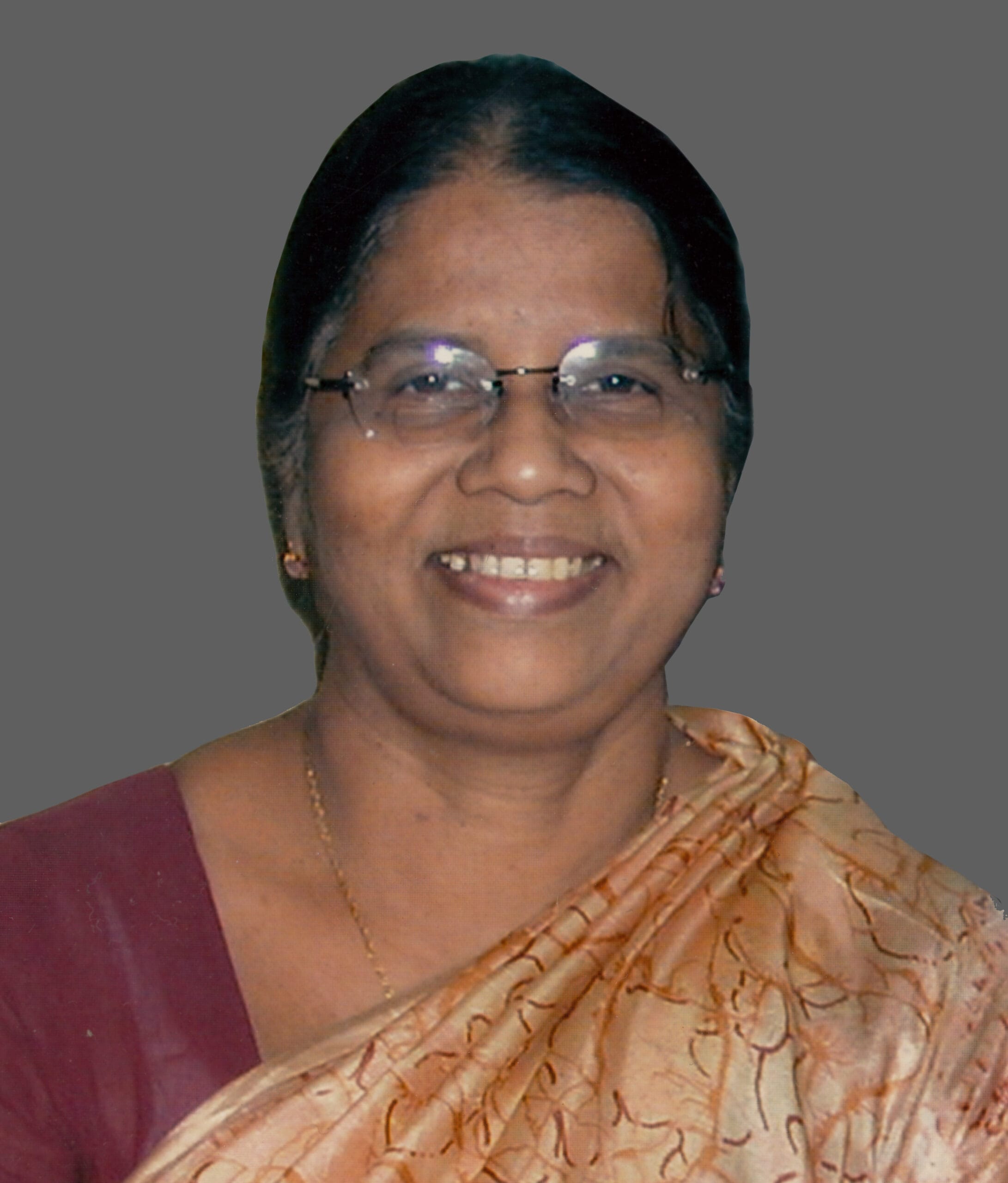
Although women have played significant roles in socio-economic development, very few have emerged as leaders. Many of them, especially those deeply committed to their responsibilities, tend to avoid the limelight. As a result, their remarkable contributions often go unrecognized. One such inspiring figure is Asrukana Das. For 34 years, she devoted herself to uplifting the lives of underprivileged, neglected, and marginalized women. She firmly believed that the success of those women was the true measure of her own achievements.
Born on March 25, 1945, in Morandirpar village, Agoijhora sub-district of Barishal, Asrukana Das (née Baroi) was the daughter of Rev. Nagendra Nath Baroi and Shoudamini Baroi. She began her education at Shantikutir School and later attended Barishal Baptist Mission High School. After completing her secondary education, she moved to Dhaka, where she earned her Bachelor’s degree from Eden College and a Master’s degree in Economics from Dhaka University.
Asrukana began her career as a teacher at Shaheen School, Dhaka. Her journey with the YWCA started in 1968 as a volunteer. In July 1972, she became the first full-time paid General Secretary of Dhaka YWCA. During her tenure until 1980, she not only managed administrative responsibilities but also served as National General Secretary, helping establish local YWCAs and maintaining strong ties with the World YWCA and other global associations.
In April 1980, she was formally appointed as the National General Secretary of YWCA of Bangladesh. Under her visionary leadership, the organization expanded its programmes across 12 districts through 13 local YWCAs. Their core activities included primary health care, awareness-building, adult functional literacy, free and nursery schools, and self-help savings groups.
Asrukana Das was instrumental in reaching rural and remote communities. Her tireless efforts and foresight enabled the YWCA to grow into a thriving organization dedicated to serving the underserved. With the support of the Board, she led the expansion of YWCA branches in districts such as Chittagong, Barishal, Birisiri, Cumilla, Chandpur, Pabna, Khulna, Gopalganj, Jashore, Dinajpur, Khagrachari, and Savar. Through collective action, she raised a clarion call to eliminate all forms of poverty and injustice.
Her contributions in the fields of education, health, economic empowerment, and human rights were both remarkable and lasting. In 2003, she was honored with the “Leading Women for Change” award by the World YWCA for her outstanding work in empowering women.
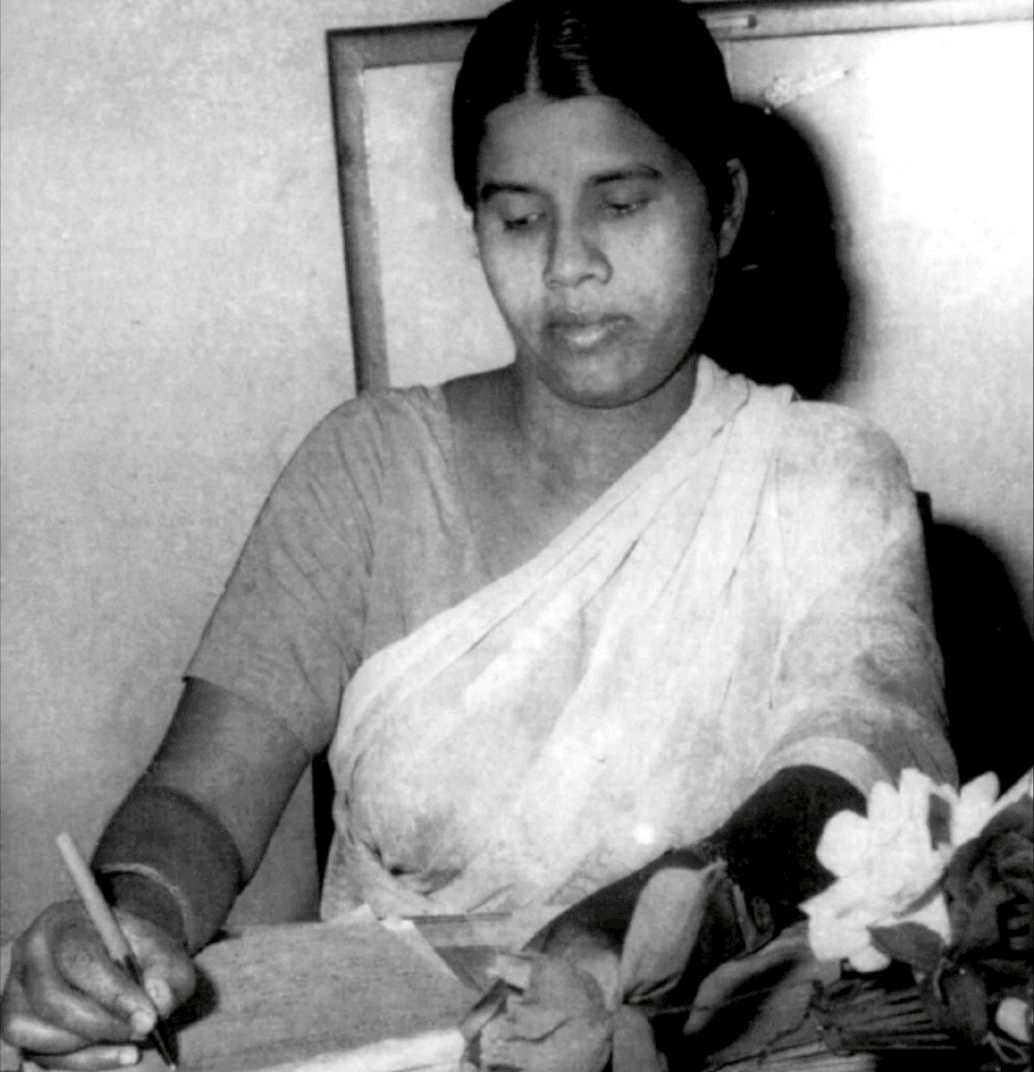
Asrukana Das served as National General Secretary until May 2006. Even after her retirement, she continued to offer support and guidance as an Advisor until her passing on July 26, 2006.
Beyond the YWCA, she served in various key roles, including:
A devoted Christian, she was an active member of Dhaka Immanuel Baptist Church and served in various capacities within the Bangladesh Baptist Fellowship, including as Vice-President.
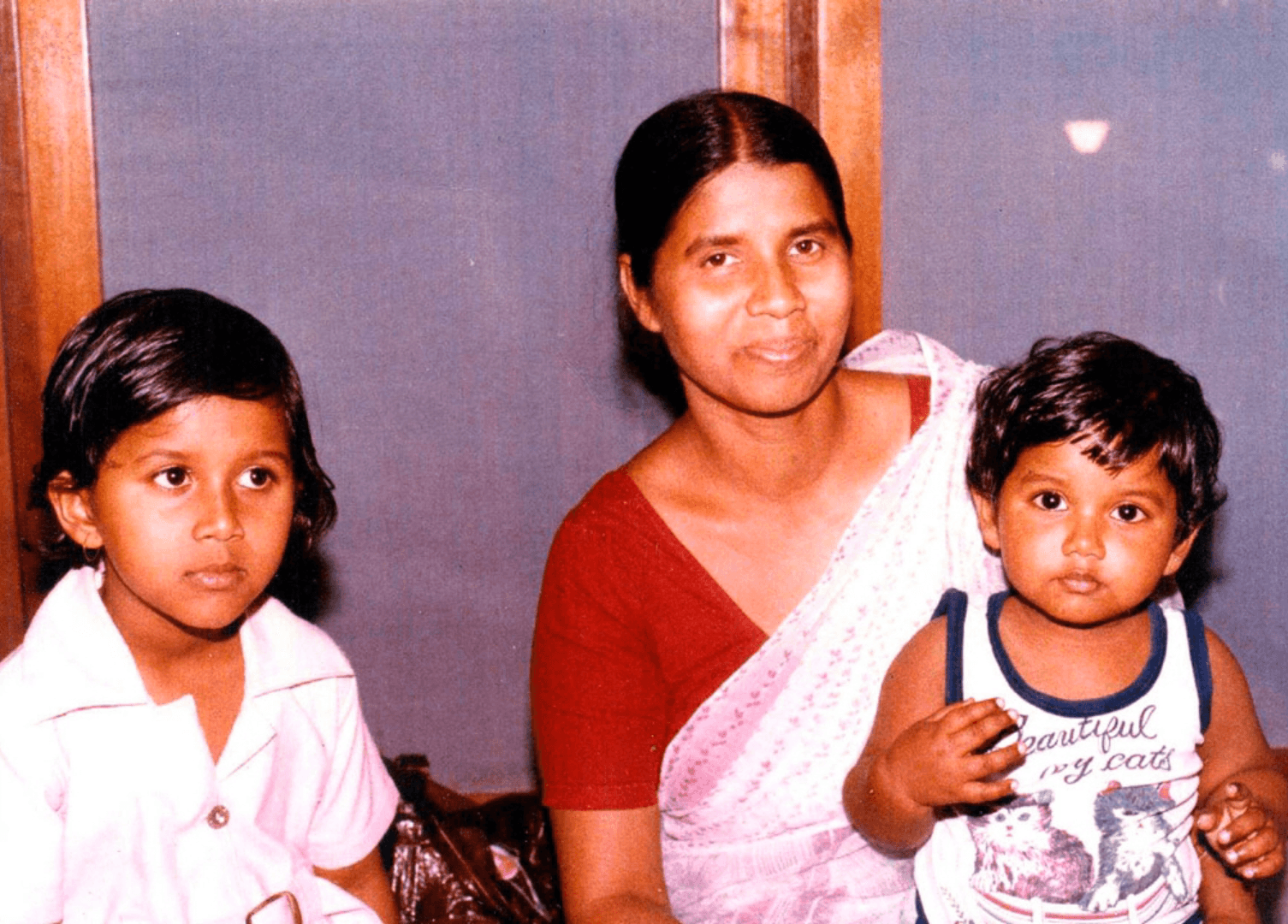
Asrukana Das was married to David Pranab Das on June 6, 1974. Together, they had a daughter, Joyce Mormita Das (PhD), and a son, Noel Tonmoy Das.
Her legacy lives on in the countless lives she touched, the organizations she strengthened, and the values she upheld. Quiet, yet powerful—Asrukana Das remains a guiding light for women’s empowerment in Bangladesh.
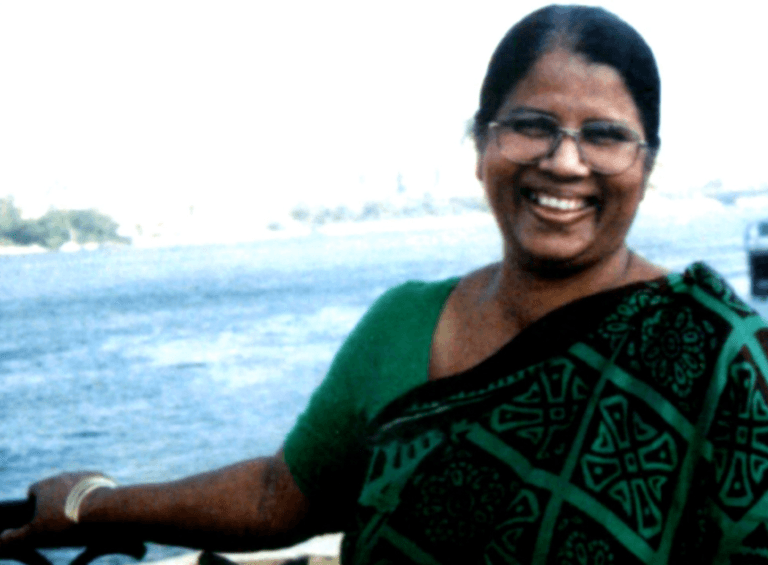
Asrukana Das (Baroi): A Pioneer of Women’s Empowerment in Bangladesh
“Your power has changed the world, as a whole, for the better.”
While women have long played a critical role in socio-economic development, few have risen to positions of leadership—often choosing to remain behind the scenes, focused on their responsibilities rather than recognition. Among them was Asrukana Das, a quiet yet formidable force who dedicated 34 years of her life to the empowerment of marginalized, neglected, and underprivileged women in Bangladesh. She firmly believed that the success of these women was the true testament to her work.
Born on March 25, 1945, in Morandirpar village, Agoijhora sub-district of Barishal, Asrukana was the daughter of Rev. NagendraNathBaroi and ShoudaminiBaroi. She began her early education at Shantikutir School, completed her secondary studies at Barishal Baptist Mission High School, and later moved to Dhaka for higher education. She earned a Bachelor’s degree from Eden College and a Master’s in Economics from the University of Dhaka.
Her professional journey began as a teacher at Shaheen School in Dhaka. In 1968, she joined the YWCA as a volunteer, which marked the beginning of a lifelong commitment to the organization. In July 1972, she was appointed the first full-time paid General Secretary of Dhaka YWCA. During this period, she also undertook responsibilities at the national level, facilitating the formation of local YWCAs and maintaining close relationships with the World YWCA and affiliated movements globally.
In April 1980, Asrukana Das was appointed National General Secretary of YWCA of Bangladesh. Under her visionary leadership, the YWCA expanded significantly, establishing 13 local branches across 12 districts. The core activities of these YWCAs included primary healthcare, awareness building, adult literacy, early childhood education, and the formation of self-help savings groups for women.
Committed to reaching underserved communities, she led the expansion of YWCA branches in Chattogram, Barishal, Birisiri, Cumilla, Chandpur, Pabna, Khulna, Gopalganj, Jashore, Dinajpur, Khagrachari, and Savar. Her leadership was defined by strategic growth, grassroots engagement, and a holistic approach to poverty alleviation and women’s rights. Through her efforts, the YWCA of Bangladesh established itself as a respected and effective national organization.
In recognition of her lifelong dedication to women’s empowerment, Asrukana Das was honored with the “Leading Women for Change” award by the World YWCA in 2003.
She served as National General Secretary until May 2006, and continued to support the organization as an Advisor until her passing on July 26, 2006.
Beyond the YWCA, she held key leadership and advisory roles in several national and international organizations, including:
A devoted Christian, she was a lifelong member of the Dhaka Immanuel Baptist Church and served in various leadership roles within the Bangladesh Baptist Fellowship, including as Vice-President.
Asrukana Das married David Pranab Das on June 6, 1974. She is survived by their daughter, Joyce Mormita Das, and son, Noel Tonmoy Das.
Asrukana Das’s legacy is one of dedication, vision, and compassion. Her life’s work continues to inspire those committed to advancing justice, dignity, and opportunity for women across Bangladesh.
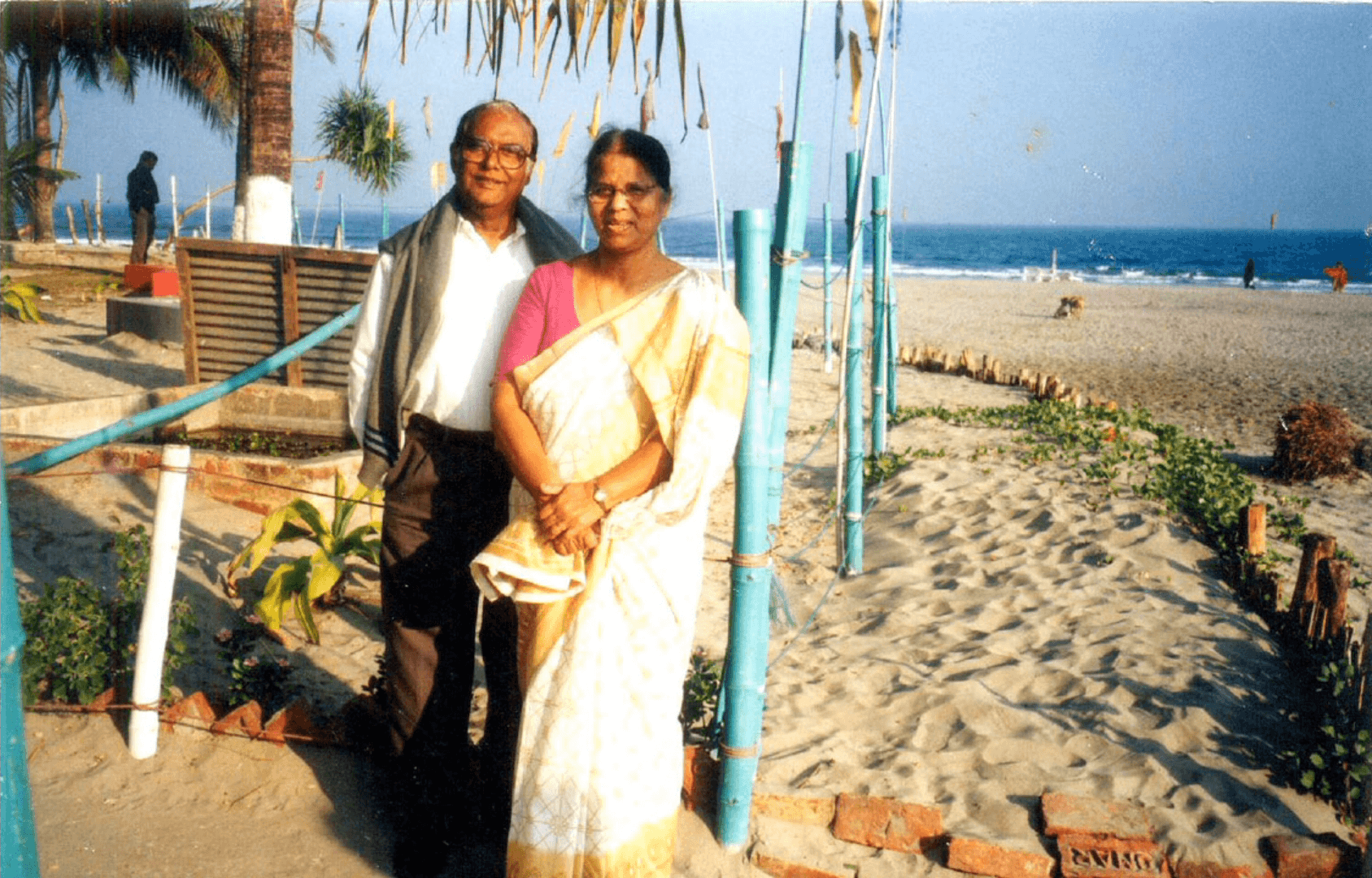
Asrukana Das (Baroi): A Legacy of Quiet Strength and Transformative Leadership
In the history of Bangladesh’s women’s movement, certain names shine not with fanfare but through steadfast dedication, quiet resilience, and lasting impact. One such name is Asrukana Das (Baroi)—an unassuming yet powerful leader who committed over three decades of her life to uplifting marginalized women and building institutions that continue to serve today.
Born on March 25, 1945, in the village of Morandirpar under Agoijhora sub-district of Barishal, Asrukana grew up in a family grounded in Christian faith and service. Her father, Rev. NagendraNathBaroi, and mother, ShoudaminiBaroi, instilled in her a sense of purpose and compassion from an early age. She began her education at Shantikutir School, later attending Barishal Baptist Mission High School. Her academic journey continued in Dhaka, where she earned a Bachelor’s degree from Eden College and a Master’s degree in Economics from the University of Dhaka—an impressive feat for a woman of her time.
Asrukana began her professional career as a teacher at Shaheen School in Dhaka. But it was her involvement with the YWCA of Bangladesh that would define her life’s mission. Starting as a volunteer in 1968, she soon emerged as a dedicated leader. In 1972, she became the first full-time paid General Secretary of the Dhaka YWCA, marking the beginning of a leadership journey that would span over three decades.
During her early tenure, she managed both administrative and national responsibilities—strengthening the foundation of YWCA in Bangladesh and establishing links with the World YWCA and other international partners. In April 1980, she was appointed National General Secretary, a position in which she flourished.
Under Asrukana’s visionary leadership, the YWCA expanded its footprint to 12 districts with 13 local branches, focusing on critical areas of women’s empowerment and establishing their rights such as primary healthcare, adult literacy, early childhood education, awareness raising, and women’s savings groups. She worked tirelessly to ensure that YWCA programs reached remote and rural areas, establishing branches in Chattogram, Barishal, Cumilla, Chandpur, Pabna, Khulna, Gopalganj, Jashore, Dinajpur, Khagrachari, and Savar. Her mission was clear: to bring opportunities to the unreached and empower the disadvantaged.
What set Asrukana apart was her strategic foresight combined with a deep sense of compassion. Her leadership style was marked by humility and determination. She believed in collective action and the power of grassroots leadership. In doing so, she became a source of inspiration for hundreds of women who found strength and purpose through YWCA initiatives.
Her contributions did not go unnoticed. In 2003, she was recognized by the World YWCA as one of the “Leading Women for Change”—a testament to her lifelong dedication to women’s empowerment.
Even after retiring as National General Secretary in May 2006, she continued to serve as an Advisor to the YWCA until her passing on July 26, 2006. Her influence, however, extended far beyond one organization. She played leadership roles in several prominent development bodies, including:
A committed Christian and active member of the Dhaka Immanuel Baptist Church, Asrukana also served the Bangladesh Baptist Fellowship in various capacities, including as Vice-President.
In her personal life, she was married to David Pranab Das in 1974, with whom she had two children: D. Joyce Mormita Das and Noel Tonmoy Das.
The life of Asrukana Das illuminated the path for many. Through her quiet strength, unshakable vision, and deep commitment to justice, she helped build a foundation of hope and opportunity for countless women across Bangladesh. Her legacy continues to live on—not in monuments or titles, but in transformed lives and empowered communities.