
Mail, Text and Phone Donations
Your donations bring help and hope to people every day.
-
Phone: +88-02-41022976-79
-
Email: ywca@ywcabd.org
Your donations bring help and hope to people every day.
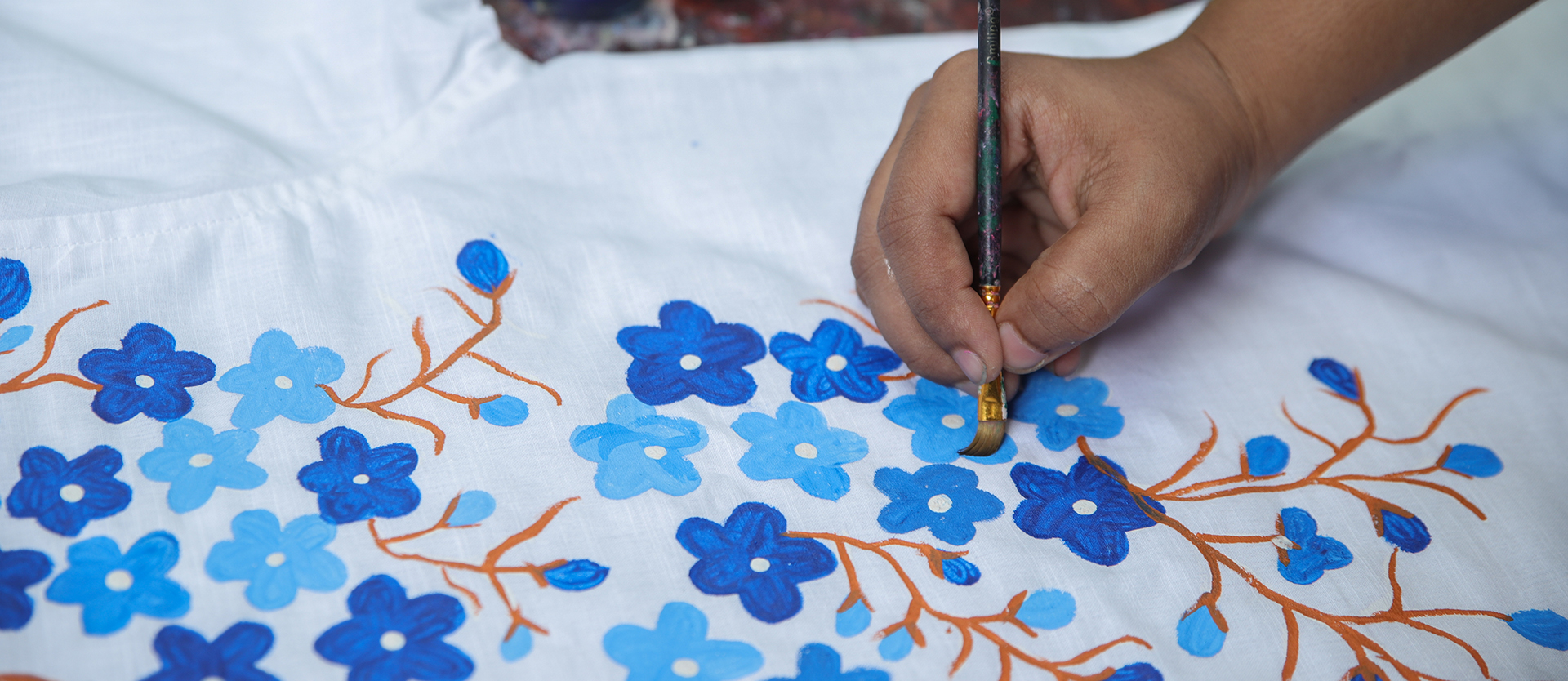
The inception of the YWCA in Bangladesh traces back to 1960, when the East Pakistan Christian Council and the Bible Society reached out to the National YWCA in West Pakistan to explore the possibility of establishing a branch in East Pakistan. Responding to this initiative, a group of interested women began holding regular monthly meetings in 1961 under the leadership of Mrs. Beard, the wife of the then-General Manager of Grind lays Bank, who had prior experience with the YWCA. These meetings took place at St. Thomas Church in Dhaka. By the end of 1961, the group was formally constituted, and in 1962, it adopted its first constitution, thus officially establishing the Dhaka YWCA as a branch of the National YWCA of Pakistan.
Between 1962 and 1969, the organization did not undertake any significant programmes or projects. Monthly meetings continued during this period, albeit with modest participation: 22 members in 1961, 27 in 1966, 12 in 1968, and 22 in 1969. With no permanent office, meetings were hosted at various venues. From 1961 to 1962, they were held at St. Thomas Church Hall with the permission of the Rt. Rev. J.D. Blair, Bishop of Dhaka. Subsequent meetings were conducted at the British Council Library (1963–1965), the Assemblies of God Church on New Eskaton Road, and later at the National Council of Churches premises until a dedicated space was secured.
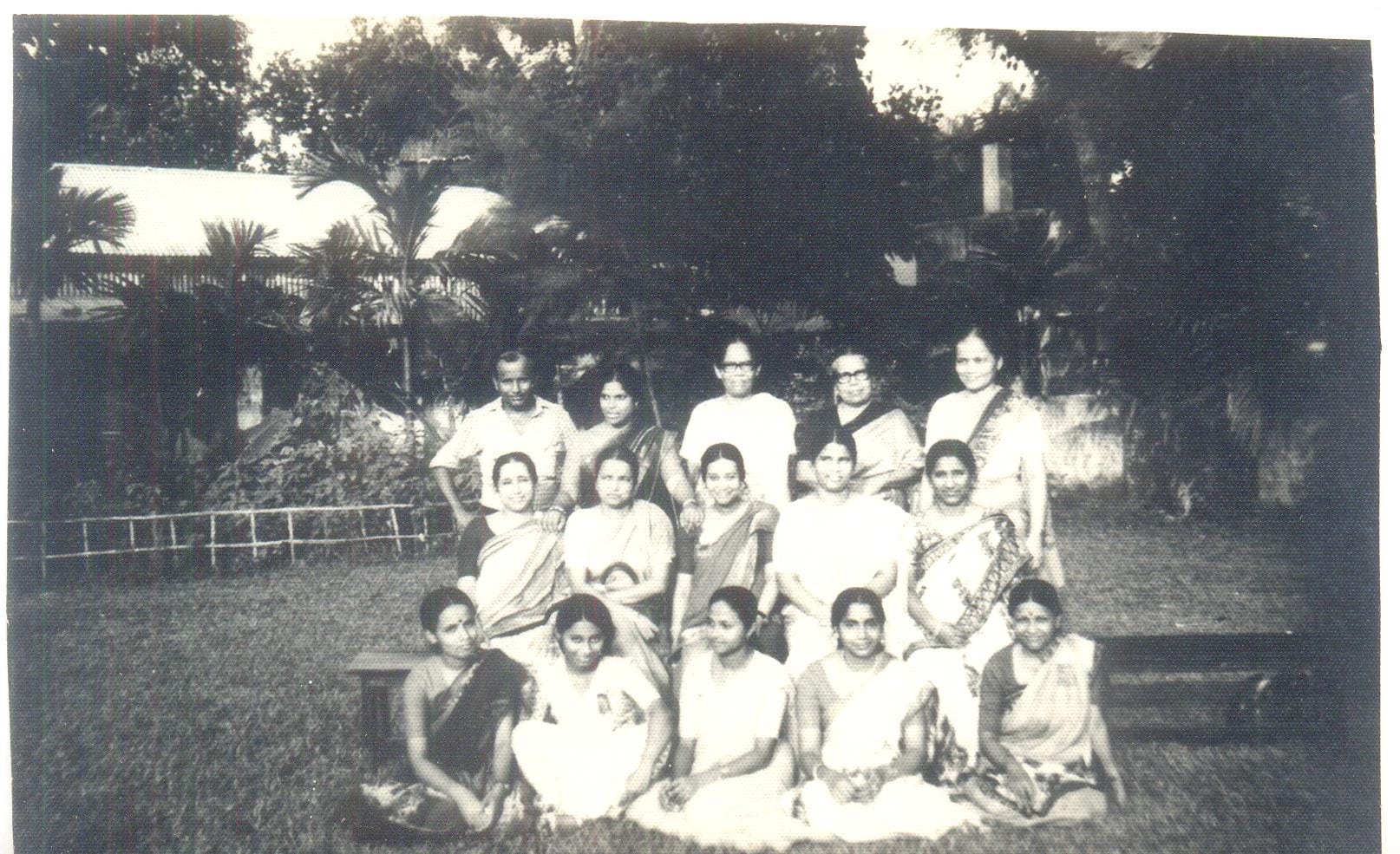
Beyond meetings, the Dhaka YWCA engaged in limited outreach activities. These included distributing clothing to those affected by natural disasters and organizing children’s classes from 1966 to 1968. Conversational English classes were introduced for members under the guidance of Mrs. Wenger. Fundraising activities such as jumble sales, “Meena bazars,” and a variety show at the British Council Auditorium in 1969 also featured in the early years. Annual Christmas celebrations became a tradition.
The Dhaka YWCA maintained a strong connection with the national body. In 1962, Miss Bina Biswas (later Mrs. Bina Shaw), the first Honorary General Secretary, attended the National Council Meeting in Lahore as a delegate from East Pakistan. In 1966, Miss Shefali Biswas represented the Dhaka YWCA at the Council in Karachi and was elected to the National Board. Mrs. Bina Shaw again participated as a delegate at the 1970 Council meeting in Karachi.
Several notable visits by YWCA leaders occurred during the 1960s and early 1970s, including Mrs. Menzies (1964), Mrs. Najimuddin (1965), Miss Clary Elfving from Sweden and Miss Jane Suba Khan from Lahore (1969), and Mrs. Khanna, President of the National YWCA of Pakistan (1971).
A dedicated effort was made to build local leadership. Several women volunteered as General Secretaries, including Mrs. Namita Baroi (1966–1967), Miss Snigdha Baroi (1967–1968), and Mrs. Abira Halder (1968–1969). In March 1969, Miss Asrukana Baroi was appointed General Secretary and Treasurer at the Annual Business Meeting, serving voluntarily until July 1972.
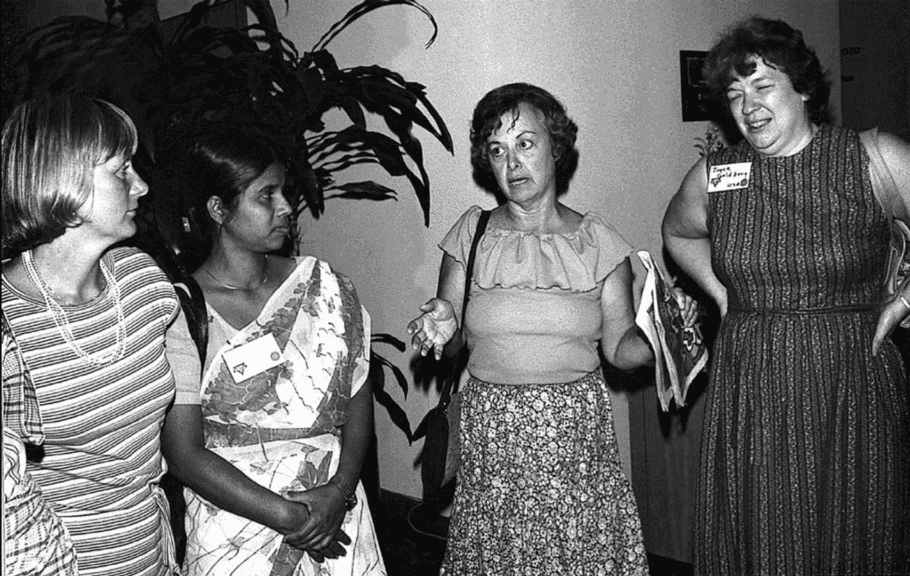
To enhance program development, the World YWCA dispatched several international professionals: Miss Inga Olofson (Advisor, 1972–1973), Miss Marianne Schilling (Programme Consultant, 1973–1974), and Miss Priscilla Padolina (Programme Consultant, 1975–1977). Additionally, Mr. Edmond Johnson was assigned in 1975 to assist in establishing a professionally managed craft center.
The Dhaka YWCA also played a pivotal role in establishing YWCA branches in other regions, including Rajshahi, Barisal, Birisiri, Mymensingh, and Chittagong during 1972–1973. While some branches, like Rajshahi and Mymensingh, were short-lived, others developed steadily. A project initiated in Pabna in 1979 eventually evolved into a full-fledged local branch.
Volunteer-led educational and vocational classes began in late 1973. Notable volunteers included Miss Aloma Mascarenhas, Miss Yvonne D’Costa, Miss R.M. Gooden, Mrs. M. Ahmad (English), Mrs. Golapi Halder (sewing), Mrs. Peck (Western cooking), and others who offered Bengali cooking classes. While these initiatives initially relied on volunteers, regular classes with paid instructors commenced in early 1975.
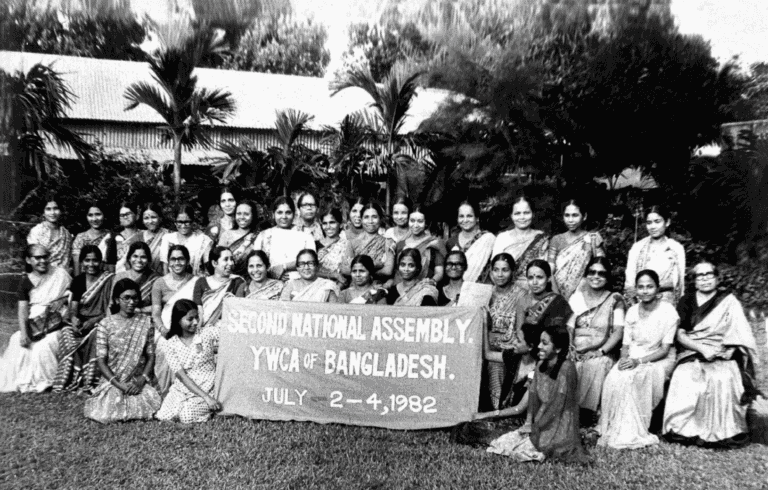
Prior to the establishment of a national YWCA body, the Dhaka YWCA functioned as the national movement and maintained direct correspondence with the World YWCA and other international counterparts. In 1975, President Mrs. Rina Das and General Secretary Mrs. Asrukana Das represented the Dhaka YWCA at the World Council in Vancouver, Canada, where the branch was officially affiliated with the World YWCA.
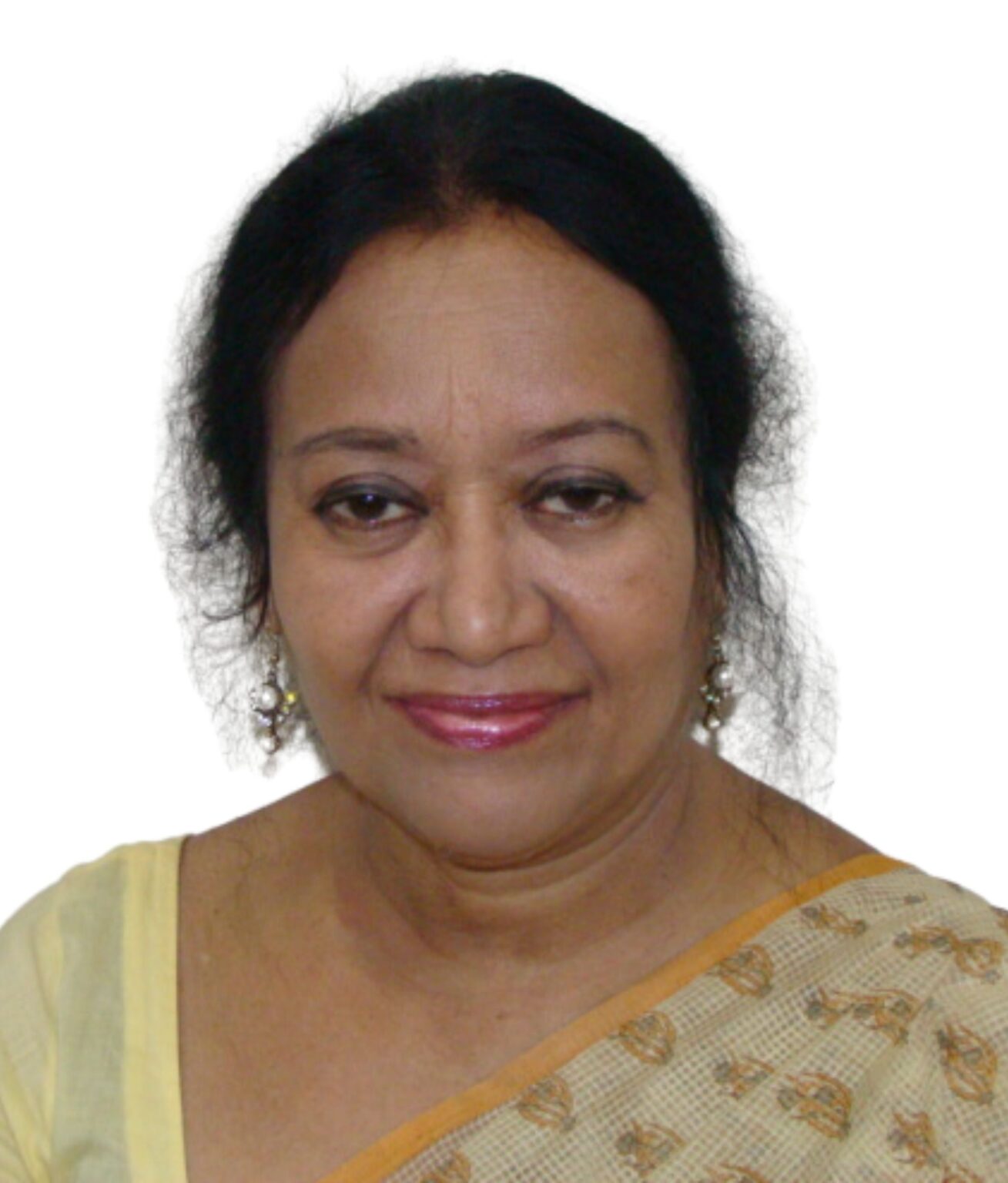
The contribution of Mrs. Rina Das to the establishment and growth of the YWCA in Bangladesh is both outstanding and phenomenal. She joined the YWCA in 1970 and remained actively involved until 2010, marking a remarkable 40-year journey of dedicated service and leadership. Under her visionary guidance—and through the tireless efforts of Mrs. Asrukana Das—a historic milestone was achieved in May 1979 with the formation of the YWCA of Bangladesh, uniting the Dhaka, Barisal, and Chittagong branches. This newly established national body was officially affiliated with the World YWCA at the World Council Meeting held in Athens, Greece. In recognition of their foundational roles, Mrs. Rina Das was named the Founder National President, and Mrs. Asrukana Das the Founder National General Secretary. Their commitment and foresight laid the cornerstone for the YWCA of Bangladesh and its continuing legacy of empowerment, justice, and peace.
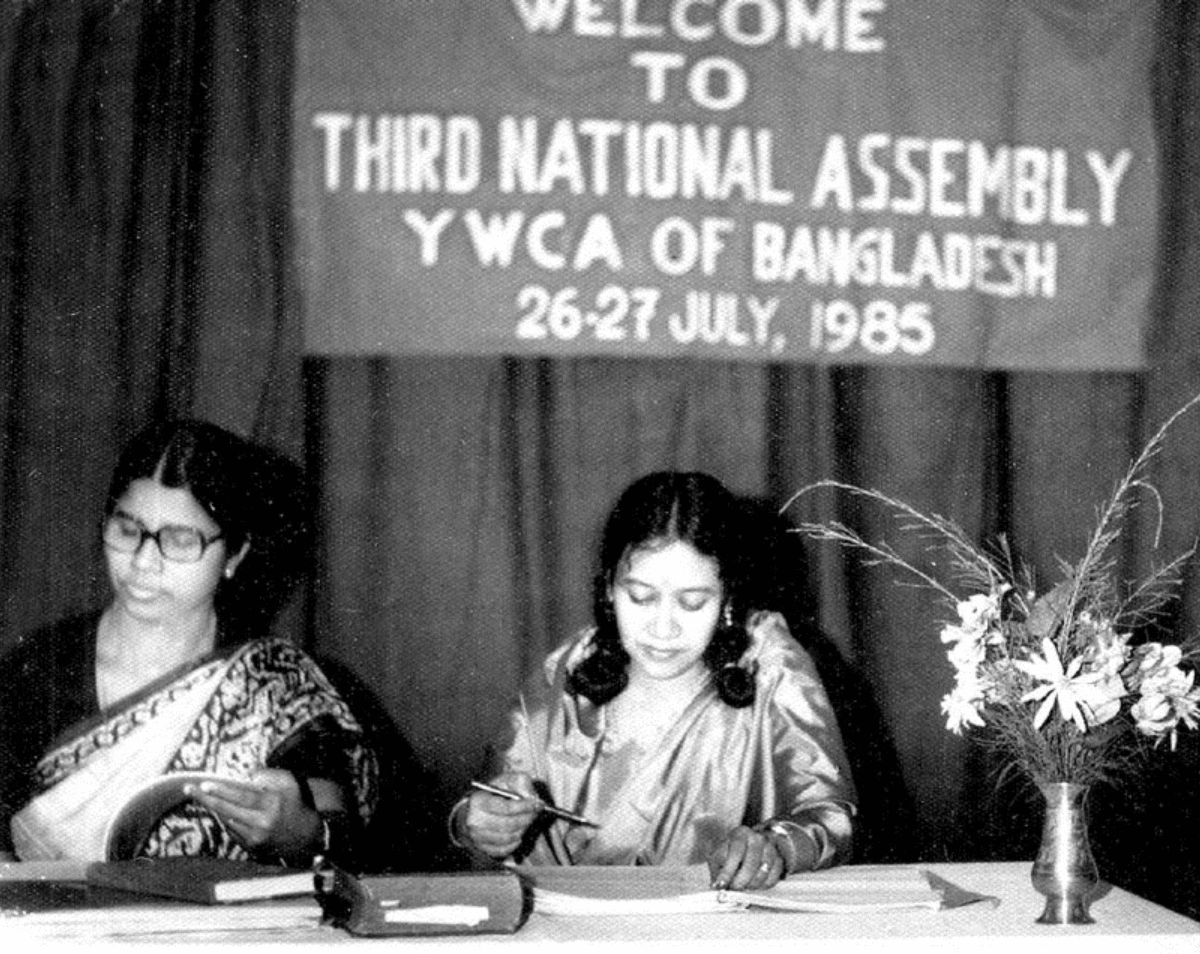
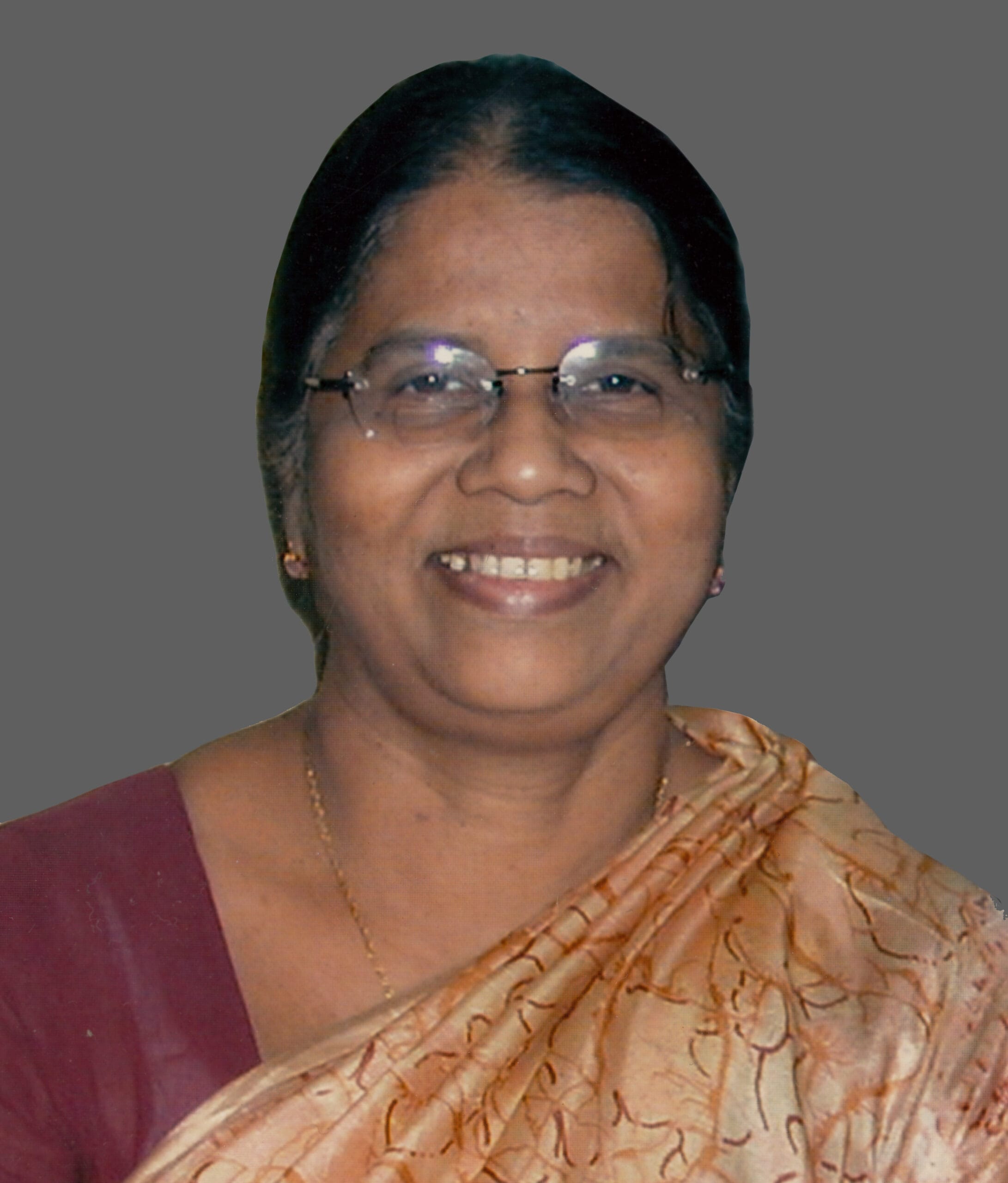
In April 1980, Mrs. Asrukana Das formally assumed the position of National General Secretary. Her visionary leadership led to the expansion of YWCA programs across 12 districts through 13 local branches. The core focus areas included primary health care, awareness-building, adult literacy, free and nursery schools, and the formation of self-help groups for women’s savings and empowerment.
A tireless advocate for women in need, Asrukana Das led the YWCA’s rural outreach and contributed immensely to education, health, economic development, and human rights. Her dynamic leadership extended the YWCA’s reach to underserved communities, ensuring its transformation into a national force for social change. For her exemplary service, she was honored with the “Leading Women for Change” award by the World YWCA in 2003.
Ms. Das served as the National General Secretary until May 2006 and continued to offer her guidance as Advisor until her passing on 26 July 2006.
Ms. Joyce Mormita Das succeeded her in May 2006 and served until February 2012. She was followed by Ms. Helen Monisha Sarker as the next National General Secretary.
We take pride in celebrating the extraordinary legacy of the YWCA of Bangladesh, which has fostered a culture of responsibility, care, and collaboration over the years. We express our deep gratitude for the vision, dedication, and compassion of the YWCA’s leadership, who have been instrumental in advancing its mission and shaping a brighter future for all.
The history of the YWCA of Bangladesh would be incomplete without honouring the pioneering individuals whose names must be remembered and celebrated. The Founding Board Members of the YWCA of Bangladesh were:
We also gratefully remember the invaluable contributions of other great leaders who mentored and guided the YWCA as it moved forward in fulfilling its mission:
Mrs. Bandana Huq, Miss Shefali Biswas (late) , Ms. Margaret Ahmed (late), Ms. Nandita Chowdhury, Mrs. Anita Chowdhury (late) , Mrs. Lila Rozario, Miss Charmaine Roanova, Miss Joysree Baroi, Miss R.M. Gooden (late) , Miss Clara Rozario, Latika Biswas (late), Mrs. Sabita D’Costa, Ms. Joyce Mormita Das, and last but not the least Dr. Nelly Saha, the present National President of YWCA of Bangladesh, the YWCA entered a new era of growth and impact through her dynamic and visionary leadership.
We gratefully and humbly acknowledge the contributions, support and encouragement of Right Reverend Bishop B. D. Mondol (Late), Church of Bangladesh; Mr. Samson H. Chowdhury (Late) , Chairman of Square Group of Industries; Dr. Jeffry S. Pereira (Late), Former Executive Director, CARITAS Bangladesh; and Mr. David Pronob Das (Late), whose quiet strength and cooperation helped nurture and impel the journey of the YWCA in Bangladesh.
The YWCA of Bangladesh extends its heartfelt gratitude to our esteemed international partners, whose steady support and visionary guidance have been instrumental in shaping our journey. We sincerely acknowledge the contributions of: World YWCA; YWCA of Switzerland; Emil Stecher, Director, SEDUK Switzerland; Mr. Werner Stahl, Director, Horyzon International; Mr. Eilert Rostrup, Delta International, Norway; MISEREOR; Y Care International, UK; Y Global, Norway; and Ms. Turid Werrum, Regional Secretary, Buskerud YWCA-YMCA. Their commitment and solidarity have been pivotal in strengthening the mission and impact of the YWCA in Bangladesh, fostering empowerment, resilience, and hope across communities.
Asrukana Das
Rina Das